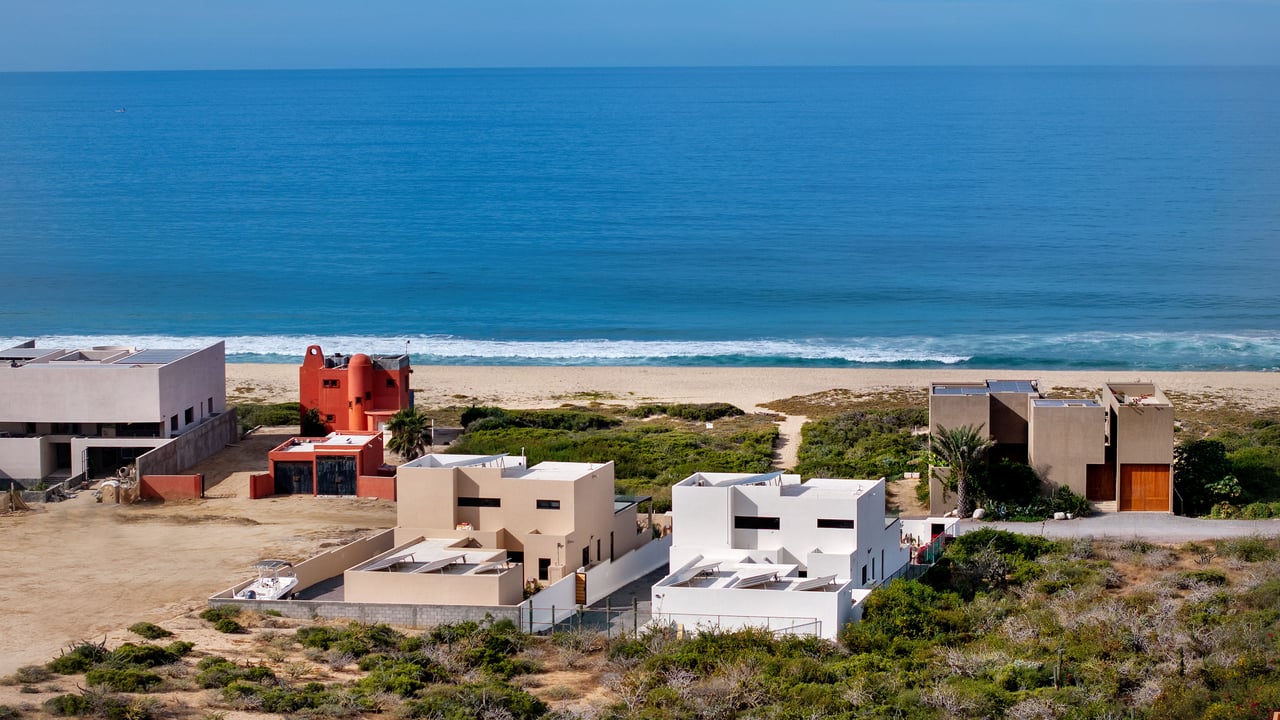
The 10 Biggest Myths About Buying Property in Mexico
Baja House Hunters October 24, 2026
Baja House Hunters October 24, 2026
Let's get one thing out of the way.
Yes, foreigners can buy property in Mexico. Yes, they can legally own beachfront homes. And no, the Mexican government doesn't automatically get your house after 50 years.
Yet somehow, these are still among the first questions we hear from people considering buying real estate in Baja California Sur.
Ron and I have lived in several countries, bought and developed property, and now call Baja home. After years of helping international buyers navigate the local real estate market, we've realized something.
The biggest obstacle to buying property in Mexico often isn't the process itself. It's the misinformation surrounding it.
So let's clear up ten of the biggest misconceptions we hear from buyers considering Cabo San Lucas, Todos Santos, Pescadero, Cerritos Beach, and beyond.
Reality: Foreigners absolutely can own real estate in Mexico.
This is probably the single biggest misconception we encounter.
Mexico welcomes foreign real estate investment, and thousands of Americans, Canadians, and Europeans own homes throughout the country.
The confusion comes from something called the restricted zone, which includes land within approximately 50 kilometers of the coastline and 100 kilometers of an international border.
Within this zone, foreign individuals generally cannot hold direct title to residential property in their own names. Instead, they typically purchase through a Mexican bank trust known as a fideicomiso.
Outside the restricted zone, foreigners can generally acquire direct title after completing the applicable legal requirements.
And since virtually all the coastal communities we work in fall within the restricted zone, the fideicomiso is something we explain to buyers regularly.
Reality: The bank holds legal title as trustee, but you control the beneficial interest in the property.
The word "trust" seems to make people nervous.
We understand. It sounds like you're handing your beautiful new home over to a bank and hoping for the best.
But that's not how a fideicomiso works.
The bank serves as trustee, holding legal title according to the trust agreement. As the beneficiary, you have the rights to use and enjoy the property, subject to the trust terms and applicable law. These commonly include the ability to sell, lease, improve, and transfer your beneficial rights.
The bank doesn't get to move in for the winter or invite its employees over for a pool party.
It is a legally recognized ownership arrangement established under Mexican law.
The trust is generally created for a 50-year period and can be renewed.
The 50-year term is not an expiration date on your investment.
Reality: A fideicomiso is renewable.
This myth deserves its own section because we still hear it surprisingly often.
The initial trust term can be up to 50 years, with renewal available under Mexican law.
That does not mean that after 50 years someone arrives at your front door to collect the keys.
It means the trust has a legal term that must be properly managed and renewed.
The distinction is important, particularly when it comes to estate planning and ensuring your beneficiaries understand how the trust works.
A qualified Mexican attorney can help you plan for renewals, transfers, and inheritance well before these become an issue.
Reality: You generally do not need to be a Mexican resident to purchase property.
You can live in the United States, Canada, Europe, or elsewhere and still purchase a home in Mexico.
Buying property and obtaining immigration residency are two separate matters.
If you're purchasing a vacation home in Cerritos Beach but plan to spend most of the year in Colorado, that's entirely possible.
And if your long-term dream is to live in Mexico full-time, residency is a separate process worth investigating.
In fact, Mexico has a temporary residency visa category based on qualifying property ownership, although owning a property does not automatically grant residency.
Reality: Mexico has a formal system for documenting and registering real estate ownership. But due diligence is essential.
Let's be honest. This misconception isn't entirely pulled out of thin air.
There have been property disputes, questionable transactions, and buyers who discovered that what they thought they purchased wasn't quite what was represented.
We've seen enough in the Baja real estate market to know that proper due diligence is not optional.
However, Mexico does have a formal legal framework for property transactions, including public notaries and property registries.
The key is understanding what you're buying.
Before purchasing, buyers should verify:
A properly documented chain of title
Registration with the appropriate Public Registry of Property
Any existing liens or encumbrances
Legal access to the property
Zoning and permitted land use
Building permits and environmental approvals when applicable
Property boundaries and survey information
Whether the property is private titled land or involves ejido rights
That last point is particularly important.
Ejido land is subject to a different legal framework. Some ejido parcels can be converted to private ownership through a formal process, but possession rights and private property title are not interchangeable.
Our advice? Work with a qualified Mexican real estate attorney, a reputable notario público, and an experienced local real estate advisor.
A beautiful ocean view is not a substitute for clear title.
Reality: Ownership and development rights are two very different things.
This one is especially important along the Pacific coast of Baja California Sur.
Just because someone owns a piece of land doesn't necessarily mean they can build whatever they want on it.
Zoning, environmental regulations, building restrictions, coastal setbacks, and infrastructure requirements all matter.
In areas such as Cerritos, Pescadero, and Todos Santos, understanding the distinction between a legally titled lot and a legally buildable lot can make an enormous difference.
For oceanfront properties, there may also be federal coastal land regulations to consider.
Mexico's Zona Federal Marítimo Terrestre (ZOFEMAT) generally includes a 20-meter strip of land adjoining the beach, although its exact application depends on the coastal conditions. This land is subject to federal rules and is not simply part of a privately owned beachfront parcel.
For anyone purchasing land with the intention of building a dream home, our advice is simple:
Verify what can legally be built before purchasing, not afterward.
We are developers ourselves, and if there's one thing we've learned, it's that understanding the permitting process early can save a tremendous amount of frustration later.
Reality: The costs and tax systems are different, and buyers need to understand both.
Many Americans are pleasantly surprised by the annual property taxes in Baja California Sur, which can be considerably lower than what they're accustomed to in certain U.S. markets.
However, there are other expenses to consider.
Depending on the property, these may include:
Property acquisition taxes and closing expenses
Notary and registration fees
Fideicomiso setup and annual administration fees
Annual property taxes, known as predial
HOA fees, if applicable
Property insurance and maintenance
Utilities, water delivery, and other infrastructure expenses
The important thing is to look beyond the purchase price.
A standalone home in Pescadero may have very different operating costs than an oceanfront condominium in Cerritos or a residence within a managed development.
We always encourage buyers to understand the actual cost of ownership before making a decision.
And one more thing: Mexico has its own tax rules. Rental income and gains from selling Mexican real estate can trigger Mexican income tax obligations.
Reality: Rental income is an opportunity, not a guarantee.
We see this misconception particularly often with buyers looking at vacation properties.
Someone visits Baja, falls in love with the beaches, sees vacation rental rates online, and assumes a property will practically pay for itself.
Sometimes the numbers are compelling. Sometimes they aren't.
Rental performance depends on several factors:
Location and proximity to attractions
Property design and amenities
Seasonality and competition
Property management fees
Maintenance and operating expenses
HOA rules and rental restrictions
Applicable licenses, regulations, and taxes
A gorgeous home doesn't automatically make a profitable investment.
And gross rental revenue is certainly not the same thing as net income.
We believe buyers should evaluate a property first on whether it suits their lifestyle and financial objectives, then examine rental potential using realistic assumptions.
Reality: There are similarities, but important differences.
Many buyers arrive in Baja expecting the purchase process to work exactly as it does in California, Colorado, or Texas.
It doesn't.
Mexico has its own legal system, closing procedures, and documentation requirements.
The notario público, for example, plays a significant formal role in real estate transactions. This is a specially authorized legal professional, not the equivalent of the person who notarizes a signature at your local UPS store.
The notario helps formalize the transaction and its required legal documentation.
But here's something we always emphasize:
The notario is not a substitute for your own independent legal representation.
We also recommend that buyers understand how deposits will be handled, what contractual protections exist, and which documents must be completed before closing.
The process is manageable when you have the right professionals involved.
Reality: Many foreign buyers purchase property long before they relocate, and some never intend to live here full-time.
This is one of the most interesting things we've observed about the Baja real estate market.
People often begin their search with a vacation in mind.
Maybe they want somewhere to escape the winter.
Maybe they are planning for retirement in five or ten years.
Or perhaps they're simply looking to diversify their real estate holdings with a property they can also enjoy.
Not everyone who purchases a home in Baja intends to become a full-time resident.
In fact, many of the buyers we work with are still living abroad when they begin their search.
For those considering a future move, purchasing earlier may give them time to learn the area, understand the realities of ownership, and decide whether the lifestyle is right for them.
Of course, there's no universal right time to buy. The decision should always reflect personal circumstances, property fundamentals, and financial goals.
After living in different parts of the world, Ron and I have learned that every country has its own way of doing things.
Mexico is no exception.
Some processes are surprisingly straightforward.
Others require more patience than we're accustomed to.
And yes, there are days when we still shake our heads and remind ourselves that we're not in the United States anymore.
But here's the thing.
Different doesn't necessarily mean worse. It means different.
Four years after making Baja our home, we still believe that understanding the local systems, respecting the culture, and surrounding yourself with knowledgeable professionals makes all the difference.
We've also learned that buying property here shouldn't be driven entirely by the dream of sunsets, beaches, and margaritas.
Although we're certainly fans of all three.
It should be based on a clear understanding of what you're buying, how you're buying it, and what ownership will look like five, ten, or twenty years down the road.
Because the best real estate decisions are made with both enthusiasm and good information.
Whether you're considering a beachfront condominium in Cerritos, a custom home in Pescadero, a historic property in Todos Santos, or an investment opportunity elsewhere in Baja California Sur, we'd love to help.
We're Karina Christensen and Ron Sprengeler, the husband-and-wife team behind Baja House Hunters and real estate advisors with The Agency.
We're also Baja residents, property owners, and developers ourselves.
We know what it's like to make the leap from dreaming about life in Mexico to actually living it.
And we believe the best way to begin is with honest information, realistic expectations, and a little local knowledge.
Have questions about buying, owning, or building property in Baja? Let's talk.
Karina Christensen & Ron Sprengeler
Baja House Hunters | The Agency
Cerritos Beach | Pescadero | Todos Santos | Baja California Sur
Disclaimer: This article provides general educational information and does not constitute legal, tax, or financial advice. Mexican real estate laws, tax obligations, and local regulations can vary by property and circumstances. Always consult qualified Mexican legal and tax professionals before completing a transaction.
And What Foreign Buyers Really Need to Know

Why some of the best real estate opportunities on Baja's Pacific coast may already be built.

Why new construction, growing inventory and a more selective market could create interesting opportunities for buyers in Quivira, Diamante and Rancho San Lucas.

The truth about Mexico’s “99-year lease,” fideicomisos, and how foreign buyers can legally own property in Baja.
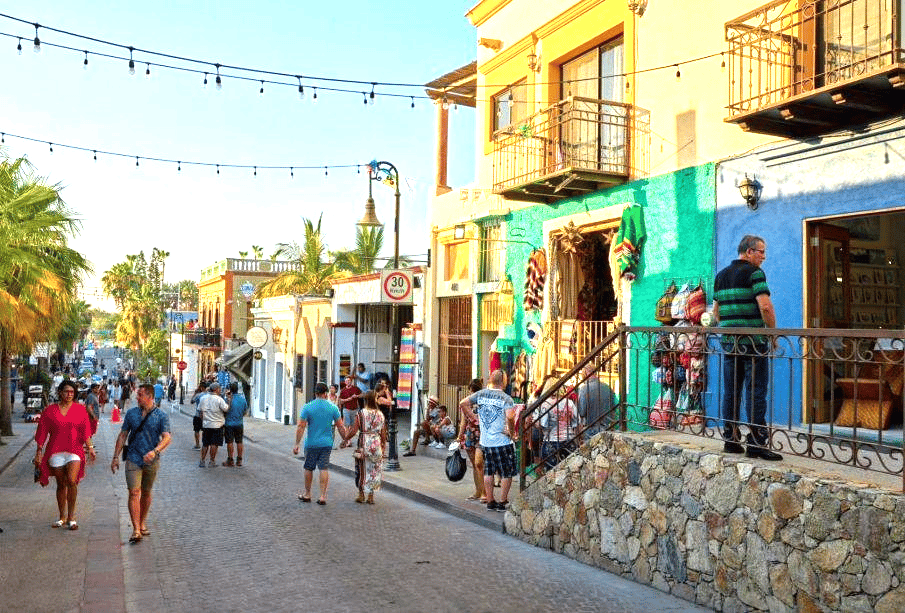
Foreign Residents Have Something to Say About That
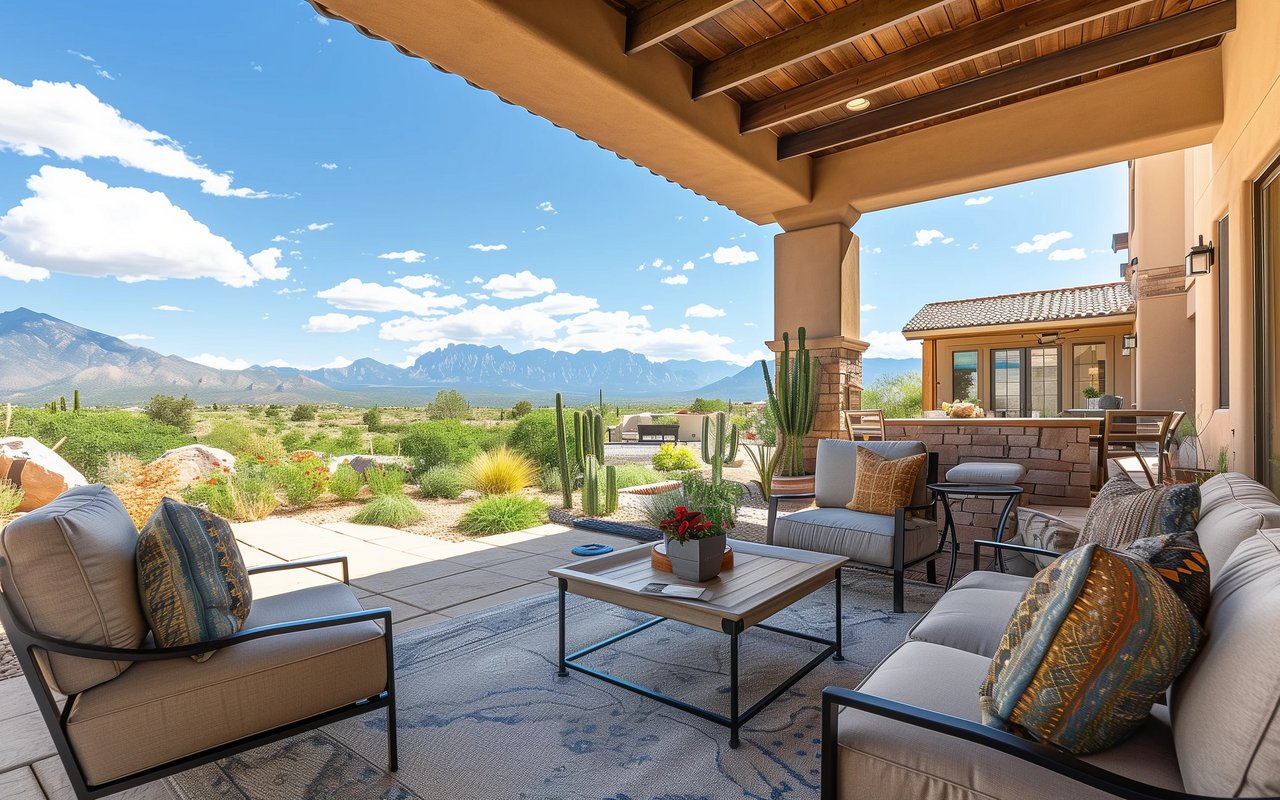
Cerritos, Pescadero, and Todos Santos offer a unique window of opportunity for savvy real estate buyers.

A 25 million dollar home in Palmilla went under contract and it was not even oceanfront.
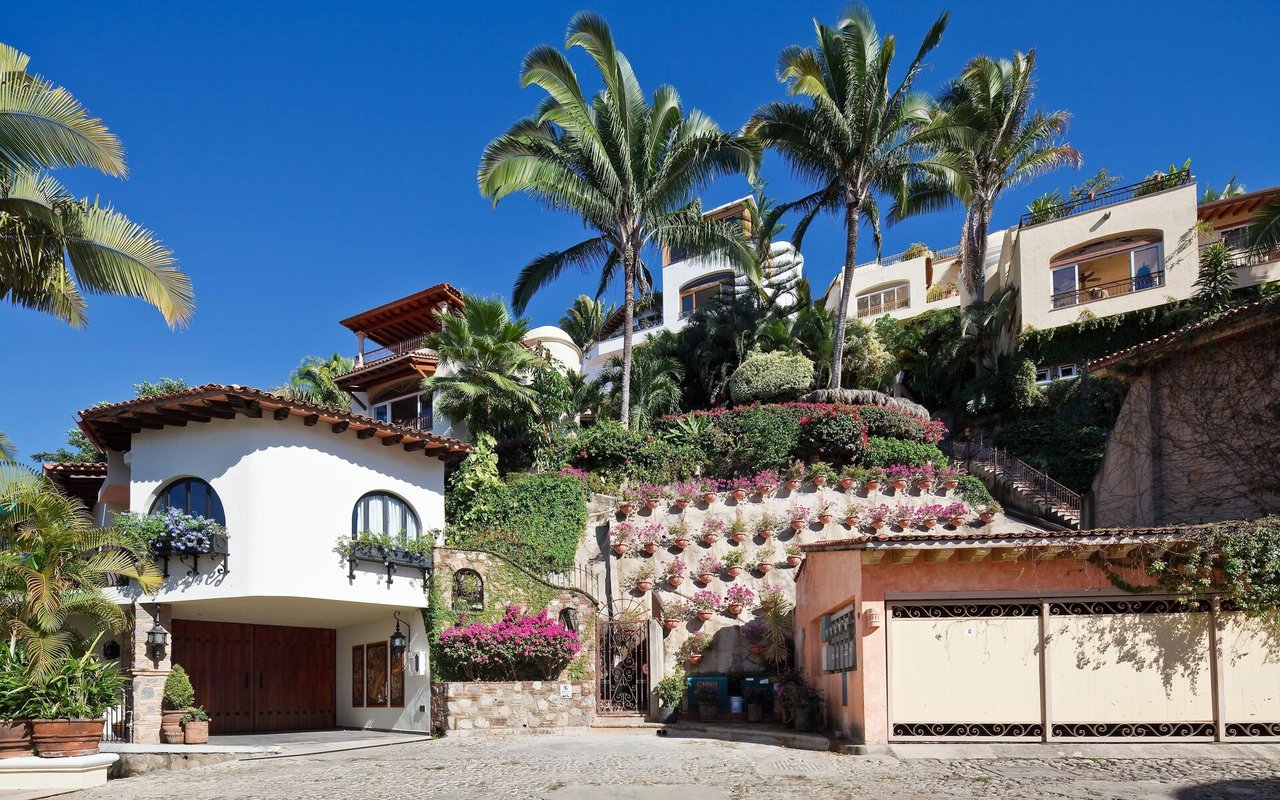
Why local investors are quietly buying in Cerritos and Pescadero right now.
After the Mexican Revolution (1910–1920), land reform became one of the government’s central priorities.
Concierge-level service from start to finish. Access to vetted attorneys, notaries, escrow agents, builders, and lenders. Insider knowledge of local inventory, on and off the market. We built our network so you don't have to build yours.

BAJA HOUSE HUNTERS
ADDRESS CERRITOS BEACH 500 VILLAS DE CERRITOS, # 17 LOS CERRITOS, EL PESCADERO 23300